
By: Will Martinez ……..

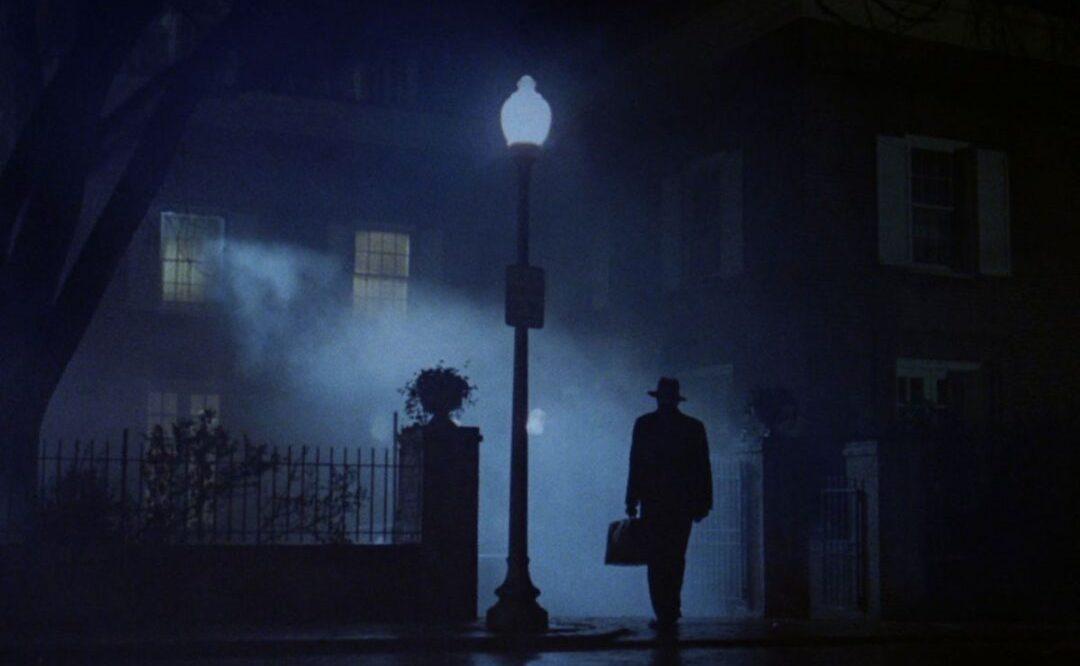
“The Exorcist,” directed by William Friedkin and released in 1973, stands as a timeless classic in the horror genre, renowned for its spine-tingling terror and thought-provoking exploration of faith and evil. Based on William Peter Blatty’s 1971 novel of the same name, the film continues to captivate audiences with its chilling story and exceptional craftsmanship.
“The Exorcist” revolves around the possession of a young girl, Regan MacNeil (played by Linda Blair), by a malevolent demonic force. The story takes place in Georgetown, Washington, D.C., and follows the efforts of two priests, Father Damien Karras (Jason Miller) and Father Merrin (Max von Sydow), to save Regan’s soul through a harrowing exorcism.
Upon its release, “The Exorcist” caused a sensation and remains a defining work in the horror genre. The film’s shock factor is legendary, with its groundbreaking practical effects and intense sequences pushing the boundaries of what was previously considered acceptable in cinema. The infamous head-spinning, projectile vomiting, and blasphemous profanities uttered by the possessed Regan shocked audiences to their core.
One of the film’s most enduring elements is its exceptional use of sound and visuals to create a chilling atmosphere. The eerie sound design, unsettling music, and innovative practical effects combined to immerse viewers in a world of terror, making them question the boundaries between the natural and supernatural.
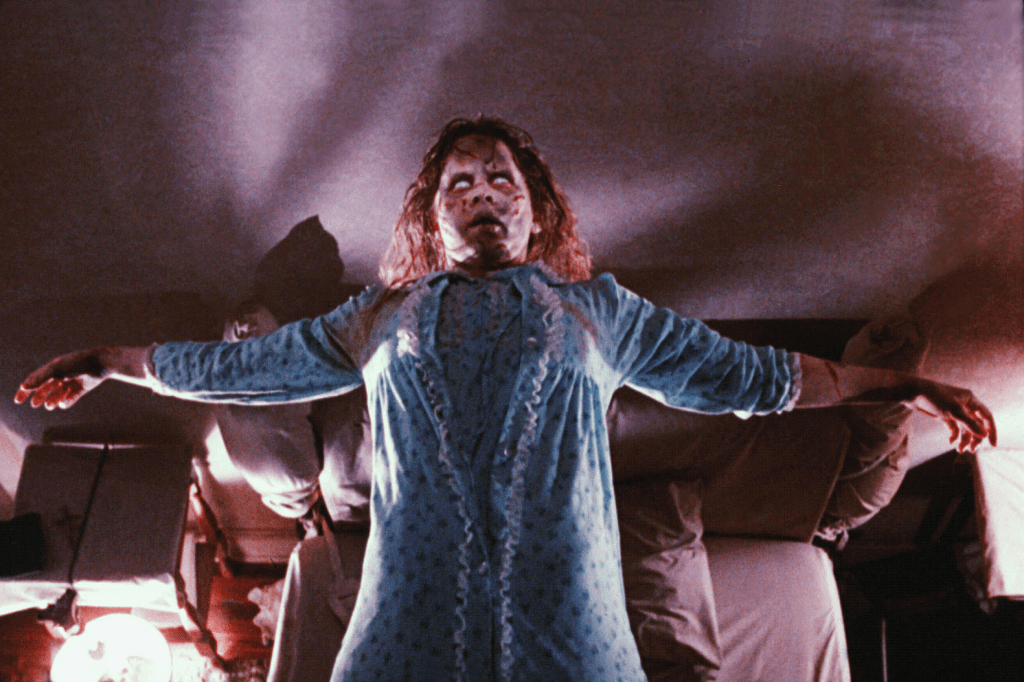
At its core, “The Exorcist” is not just a horror movie but also a profound exploration of faith and the struggle between good and evil. The characters of Father Karras and Father Merrin are central to this theme. Karras, plagued by doubt and guilt, represents the crisis of faith in the modern world. Merrin, on the other hand, embodies the steadfastness of belief and the courage to confront the darkest forces.
The film’s narrative challenges the audience to consider the existence of evil and the power of faith. As the two priests engage in a battle of spiritual and supernatural forces, the film raises questions about the nature of evil and the lengths to which one must go to combat it. This thematic depth elevates “The Exorcist” beyond a mere horror film, turning it into a profound exploration of the human condition.
“The Exorcist” received critical acclaim and earned ten Academy Award nominations, including Best Picture. It won two Oscars, one for Best Adapted Screenplay (William Peter Blatty) and another for Best Sound Mixing. The film’s cinematography, helmed by Owen Roizman, is exceptional, capturing the eerie ambiance of the story while showcasing the performances of the cast.

“The Exorcist” has left an indelible mark on the horror genre and popular culture. It spawned sequels, prequels, and various adaptations, but none have matched the impact of the original. It also paved the way for a new era of horror cinema, inspiring a generation of filmmakers to explore psychological and supernatural horror with a greater degree of intensity and sophistication.
“The Exorcist” remains a cinematic masterpiece that continues to terrify and provoke thought over four decades after its release. Its blend of horror, faith, and masterful filmmaking make it a timeless classic, reminding us that the most compelling horror stories are those that delve into the depths of the human soul. Whether you’re a horror aficionado or simply a fan of exceptional cinema, “The Exorcist” is a must-watch that will continue to haunt your thoughts long after the credits roll.

 Dark Fringe Radio