
By: Will Martinez ……..
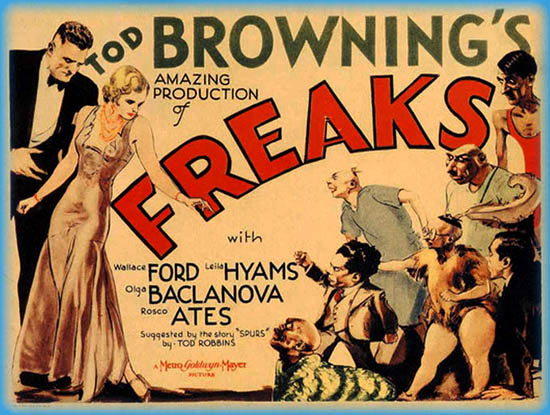
“Freaks,” directed by Tod Browning and released in 1932, is a movie that has left an indelible mark on the history of cinema. This controversial and groundbreaking film has fascinated audiences for decades, challenging conventional norms of beauty and humanity. “Freaks” delves into the lives of individuals considered “freaks” due to their physical deformities, offering a unique perspective on human nature, empathy, and societal prejudices.
“Freaks” is set in a traveling circus and centers around the lives of the circus performers. The film explores the camaraderie and genuine friendships that have formed among the “freaks,” who are often shunned by the outside world. Cleopatra, a beautiful trapeze artist, seduces Hans, a little person, and marries him, all the while scheming to inherit his fortune. The other circus performers, who consider themselves a tight-knit family, become suspicious of Cleopatra’s intentions.
As the tension escalates, Cleopatra’s cruel treatment of Hans is revealed. The climax of the film occurs during a horrifying rainstorm when the “freaks” take matters into their own hands to seek revenge on Cleopatra and her lover for their betrayal.

Upon its release, “Freaks” faced intense backlash and censorship. Audiences and critics alike were shocked and appalled by the film’s portrayal of physically deformed individuals. Many considered it exploitative and in poor taste. Due to its controversial content, the film was banned in several countries and heavily edited in others.
The use of actual circus performers with physical deformities in the cast added to the controversy. Tod Browning’s decision to cast real “freaks” in the movie was groundbreaking but also contributed to the film’s divisive nature. The cast included individuals with conditions such as microcephaly, dwarfism, and missing limbs.
Despite its initial reception, “Freaks” has endured as a cult classic. Over the years, it has garnered appreciation for its unique and unflinching portrayal of marginalized individuals. The film has been reevaluated as a statement against societal prejudices and a commentary on the cruelty of the so-called “normal” world. It forces viewers to confront their own biases and consider the humanity of those deemed “different.”
The famous chant “One of us! One of us!” from the film’s dinner scene has become an iconic symbol of acceptance and belonging. It is a testament to the film’s ability to challenge societal norms and make viewers question their own prejudices.

“Freaks” has left a lasting impact on pop culture, inspiring numerous works in various media. It influenced later horror films, such as “The Texas Chainsaw Massacre” and “American Horror Story: Freak Show,” in their exploration of the macabre and the unsettling.
“Freaks” remains a thought-provoking and controversial masterpiece of cinema. Despite its troubled history and initial reception, it has found its place in the annals of film history as a daring exploration of humanity’s capacity for cruelty and empathy. Tod Browning’s audacious decision to cast real “freaks” in the film, combined with its unsettling and unforgettable scenes, continues to captivate and disturb audiences, challenging them to examine their own prejudices and perceptions of what it means to be “normal.”

 Dark Fringe Radio