By: Will Martinez ……..

Horror films have a unique ability to tap into our deepest fears, sending shivers down our spines and causing sleepless nights. Among the myriad of horror classics, “Poltergeist” stands as a benchmark in the genre, with its uncanny ability to terrify audiences even decades after its release. Directed by Tobe Hooper and produced and co-written by Steven Spielberg, “Poltergeist” emerged in 1982 as a seminal cinematic experience that continues to haunt the nightmares of viewers around the world. Let’s peer into the eerie world of Poltergeist and explore what makes it an enduring masterpiece of the horror genre.
“Poltergeist” revolves around the seemingly idyllic suburban life of the Freeling family. Steve (Craig T. Nelson) and Diane (JoBeth Williams) and their three children, Dana, Robbie, and little Carol Anne, live in a picturesque suburban neighborhood. However, their peaceful existence takes a terrifying turn when malevolent forces invade their home.
The Freeling family soon discovers that their house is built on an ancient burial ground, and the restless spirits from the other side seek to make contact with the living, particularly young Carol Anne. What follows is a series of supernatural events that escalate in both intensity and horror, leaving the family in a battle for their lives as they try to rescue Carol Anne from the clutches of the otherworldly entities. By the way Robbie’s encounter with a clown doll cemented my fear of clowns from a young age.
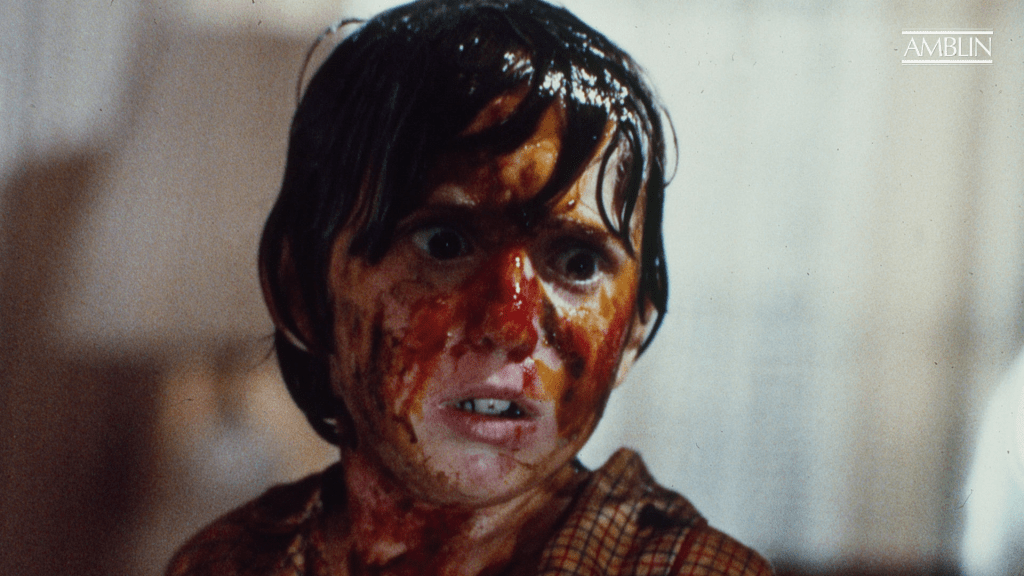
One of the aspects that make “Poltergeist” truly stand out is its blending of supernatural and psychological horror. The film explores not only the physical terrors unleashed by the malevolent spirits but also delves into the emotional turmoil experienced by the Freeling family. Their fear, helplessness, and love for one another add depth to the narrative, making the horror even more palpable.
The iconic scene featuring young Carol Anne (played by Heather O’Rourke) sitting in front of a static-filled television and uttering the infamous line, “They’re here,” remains etched in the memory of horror enthusiasts. The blending of innocence with the terrifying unknown adds a layer of dread that lingers long after the film ends.

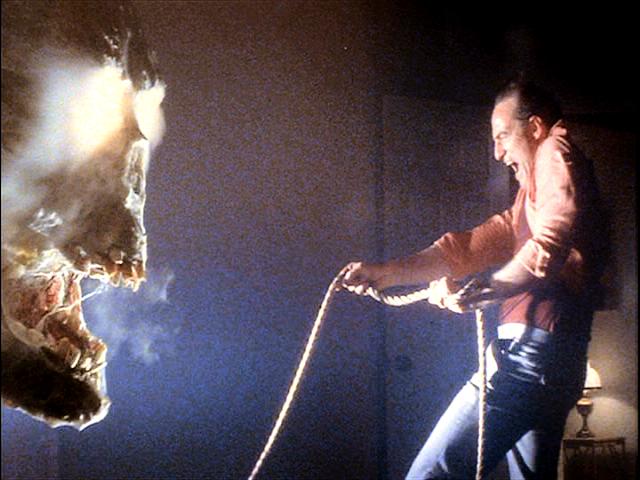
“Poltergeist” was groundbreaking for its time due to its innovative use of special effects. In particular, the practical effects and puppetry used to create the paranormal disturbances within the Freeling home were state-of-the-art in the early 1980s. This, coupled with remarkable cinematography, produced some of the most iconic and chilling sequences in the history of horror cinema.
The famous scene where the young boy, Robbie (played by Oliver Robins), is attacked by a clown doll and then dragged beneath his bed by unseen hands remains one of the most horrifying moments in film history. The visceral nature of these effects adds to the film’s timeless appeal, proving that true horror can be crafted without relying solely on computer-generated imagery.
While the film captivated audiences worldwide, it is impossible to discuss “Poltergeist” without acknowledging the tragic occurrences that surrounded its production and cast. Several members of the cast, particularly the young actors, experienced untimely deaths, leading to speculation about the existence of a “Poltergeist curse.” The eerie coincidences and mysterious events that seemed to plague those involved in the franchise added an unsettling layer of intrigue to the film’s legacy.

“Poltergeist” endures as a classic horror film not solely because of its supernatural elements but because it taps into universal fears that transcend generations. The film’s ability to blend genuine terror with a heartwrenching story of a family in crisis is what makes it a cornerstone of the horror genre. While it has its share of behind-the-scenes mysteries, the undeniable impact of “Poltergeist” on the horror film landscape is indisputable. Whether you’re a horror aficionado or just a casual moviegoer, “Poltergeist” is an experience you won’t soon forget – a chilling reminder that sometimes, the unknown can be far more terrifying than anything we can imagine.

 Dark Fringe Radio