

By: Will Martinez ……..
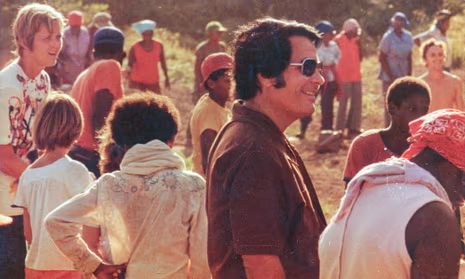
The Jonestown Massacre, one of the darkest chapters in modern history, unfolded on November 18, 1978, in the dense jungles of Guyana, South America. This horrific event marked the culmination of the Peoples Temple, a religious cult led by the charismatic but ultimately deranged Jim Jones. The tragedy left an indelible mark on the collective consciousness, serving as a stark reminder of the dangers inherent in unchecked charismatic leadership and the potential for mass manipulation.
Founded by Jim Jones in the 1950s, the Peoples Temple started as a racially integrated church in Indianapolis with a strong emphasis on social justice and equality. Jones portrayed himself as a champion of civil rights, attracting a diverse congregation. However, as the group gained momentum, Jones’s behavior became increasingly erratic and controlling.
Fearing scrutiny from authorities and media, Jones relocated the Peoples Temple to Guyana in the early 1970s. The settlement, named Jonestown, was intended to be a utopian community where members could live communally away from the perceived threats of the outside world. However, it soon became clear that Jonestown was anything but a paradise.

Jim Jones wielded a potent mix of charisma, fear, and mind control to maintain his grip on Jonestown’s residents. He positioned himself as a messianic figure, claiming to be the embodiment of socialist principles and divine authority. The followers, isolated from their families and outside influences, became increasingly dependent on Jones for guidance.
As the conditions in Jonestown worsened, with reports of physical and emotional abuse, forced labor, and limited contact with the outside world, concerns grew among family members back in the United States. Investigative efforts by concerned relatives and journalists led to increased scrutiny of the Peoples Temple.
On November 18, 1978, U.S. Congressman Leo Ryan and a delegation visited Jonestown to investigate claims of abuse and coercion. As some residents expressed a desire to leave with the delegation, Jones’s paranoia escalated. In a final act of desperation, Jones ordered the mass murder-suicide of his followers by cyanide poisoning. Over 900 people, including children, perished in the harrowing event.

This unfathomable tale stands as a chilling testament to the dangers of unchecked power and the susceptibility of individuals to manipulation within a cult setting. It has sparked ongoing discussions about the psychological dynamics that lead people to join and stay in such groups, as well as the importance of maintaining critical thinking and skepticism in the face of charismatic leaders.
To this day the Jonestown Massacre remains a haunting reminder of the fragility of the human mind and the potential for tragedy when unchecked power converges with blind devotion. The lessons learned from this dark chapter in history continue to shape our understanding of cults, manipulation, and the need for vigilance in safeguarding against abuses of power.

 Dark Fringe Radio