

By: William Martinez ………
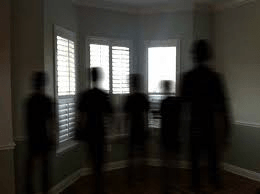
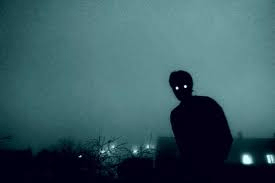
The shadow people phenomenon is a modern folkloric and paranormal belief involving dark, humanoid figures that appear in a person’s peripheral vision. These entities are typically described as silhouettes or dark masses with no discernible features, often appearing briefly before disappearing. While popular culture and paranormal enthusiasts often attribute these figures to ghosts, demons, or interdimensional beings, scientific explanations suggest the phenomenon is a result of well-understood psychological and physiological processes.
Scientific and Psychological Explanations
The most widely accepted scientific explanations for the shadow people phenomenon are tied to a few key concepts: sleep paralysis, hypnagogic and hypnopompic hallucinations, and psychological factors.
Sleep Paralysis
Sleep paralysis is a temporary inability to move or speak that occurs when a person is waking up or falling asleep. During this state, the brain is active, but the body’s voluntary muscles are paralyzed. This can lead to a state of heightened anxiety and the sensation of a threatening presence in the room. In this state, the brain may misinterpret shadows or objects in a dimly lit room as a menacing figure, leading to the classic “shadow person” experience. The person’s heightened state of fear and the brain’s attempt to make sense of the sensory input can create a vivid, and often terrifying, hallucination.
Hypnagogic and Hypnopompic Hallucinations
Hypnagogic hallucinations occur as a person is falling asleep, while hypnopompic hallucinations happen as they are waking up. These are vivid, dream-like experiences that can be visual, auditory, or tactile. They are a normal part of the sleep-wake cycle and are not indicative of a mental illness. People who experience these hallucinations may see figures, hear voices, or feel a presence in the room. These hallucinations can be particularly vivid and can be perceived as very real, contributing to the belief in shadow people.
Psychological Factors
Psychological factors, such as stress, anxiety, and a tendency toward vivid imagination, can also play a significant role. When a person is under stress, their brain may be more prone to misinterpreting sensory information. The human brain is hardwired to detect patterns and faces, a phenomenon known as pareidolia. This is why we often see shapes in clouds or a face in the moon. In a state of fear or anxiety, this tendency can be amplified, causing the brain to interpret a shadow or an indistinct shape as a person or a menacing figure. The person’s pre-existing beliefs about the paranormal can also shape their interpretation of the experience, leading them to conclude that what they saw was a “shadow person” rather than a simple hallucination.
Cultural and Historical Context
The concept of a threatening figure appearing in the dark is not new. Many cultures throughout history have had similar folkloric beliefs. For example, the incubus and succubus from medieval European folklore were demonic entities that were believed to assault people in their sleep. Similarly, the Old Hag is a figure from Newfoundland folklore that sits on a person’s chest during sleep paralysis. These historical beliefs are remarkably similar to modern accounts of shadow people, suggesting a long history of explaining these unsettling sleep phenomena through a supernatural lens. The modern term “shadow people” and the specific narratives surrounding them have largely been popularized by paranormal television shows, online forums, and creepy pasta stories, which have helped to standardize the description and attributes of these entities in contemporary culture.
#shadowpeople #paranormal #entities #ghost #sightings #supernatural #shadows

 Dark Fringe Radio