

By: William Martinez ………

The name Lizzie Borden is synonymous with one of America’s most famous unsolved mysteries. The case, which involves the brutal ax murders of her father and stepmother in 1892, has captivated the public for over a century. Despite being acquitted, the question lingers: did she really do it? Let’s delve into the facts, the trial, and the enduring theories.
The Crime: A Shocking Discovery in Fall River, MA
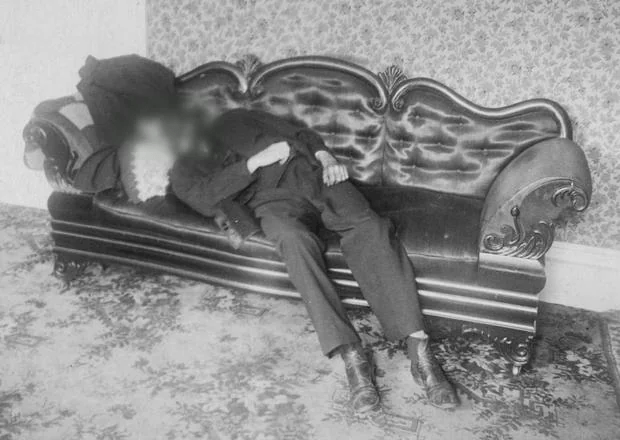
On the morning of August 4, 1892, Andrew and Abby Borden were found dead in their home in Fall River, Massachusetts. Andrew was discovered on the sofa, his face nearly unrecognizable from multiple blows. His wife, Abby, was found in an upstairs bedroom, having been killed earlier. The brutal nature of the crime shocked the quiet community. Lizzie, Andrew’s youngest daughter, was the only other person in the house at the time, besides the maid, Bridget Sullivan.
Suspicion quickly fell on Lizzie. Her behavior was described as strange; she gave conflicting accounts of her whereabouts and was even seen burning a dress shortly after the murders. The lack of a clear motive or a weapon made the case even more puzzling.
The Trial: A Media Sensation
Lizzie Borden’s trial began in June 1893 and became a media circus. The prosecution’s case was largely circumstantial. Key pieces of evidence included:
- No forced entry: This suggested the killer was someone known to the family.
- The hatchet: A hatchet was found in the basement, but it had a broken handle and had been cleaned, making it impossible to definitively link it to the murders.
- Lizzie’s testimony: Her inquest testimony was contradictory and later deemed inadmissible in court.
The defense, however, successfully cast doubt on the prosecution’s narrative. They highlighted the lack of physical evidence, such as blood on Lizzie’s clothing, and argued that it was implausible for a woman of her social standing to commit such a violent act.
Ultimately, the jury deliberated for just over an hour before finding Lizzie Borden not guilty of the murders. The verdict shocked many and further cemented the mystery.
The Legacy: Enduring Theories and a Nursery Rhyme
Despite her acquittal, Lizzie was ostracized by society and lived a reclusive life until her death in 1927. The famous nursery rhyme—”Lizzie Borden took an axe, and gave her mother forty whacks. When she saw what she had done, she gave her father forty-one”—enshrined her as the prime suspect in the public’s mind.
To this day, various theories persist:
- The Unproven Lizzie Theory: The most popular theory is that Lizzie was indeed the killer. Proponents point to her motive (a strained relationship with her stepmother and potential inheritance issues) and her odd behavior after the crime.
- The Bridget Sullivan Theory: Some speculate that the maid, Bridget Sullivan, committed the murders, perhaps in a fit of rage over her working conditions.
- The Unknown Killer Theory: Others believe an outsider or another family member was responsible, though no credible evidence has ever supported these claims.
The mystery of who killed Andrew and Abby Borden remains officially unsolved. The case continues to be a subject of books, movies, and documentaries, fueled by the question that has haunted generations: Did Lizzie Borden get away with murder?

 Dark Fringe Radio